



The minutes between stepping onto an airplane and settling into your seat can feel surprisingly stressful. Travelers are searching for overhead bin space, locating their seats, managing children, and trying to avoid holding up the people behind them. Meanwhile, flight attendants are handling responsibilities that go well beyond greeting passengers.
Understanding a few practical flight attendant tips before boarding can make the experience smoother for everyone, especially during busy holiday travel periods.
Experienced cabin crew members say that small habits—organizing belongings, following instructions, and respecting shared space—can make a noticeable difference.
For readers following travel advice and consumer news at DealInNow, these six recommendations combine advice shared by experienced flight attendants with official U.S. aviation safety guidance.
TL;DR
Flight attendants recommend preparing essential items before boarding, understanding overhead bin rules, listening to safety instructions, and respecting other passengers. They also want travelers to know their primary responsibility is safety, not beverage service. Asking for assistance early and following simple cabin etiquette can reduce stress and help boarding run more smoothly.
Key Takeaways
- Organize items you’ll need during the flight before reaching your seat.
- Overhead bin space is shared, and bags must meet airline size requirements.
- Flight attendants are trained safety professionals, not simply onboard service workers.
- Pay attention to safety instructions, even if you fly regularly.
- Request necessary assistance early instead of waiting until the aisle is crowded.
1. Prepare Your Essentials Before Stepping Onto the Plane
One of the simplest ways to make boarding easier is to organize your belongings before reaching the aircraft door.
Passengers frequently stop in the aisle to search through backpacks for headphones, medication, charging cables, or books. Even a short delay can create a line when dozens of travelers are trying to find their seats.
Natalie Magee, a flight attendant with more than two decades of experience, told Travel + Leisure that having belongings organized is among the habits that make passengers easier to accommodate.
A practical solution is to put essential items in a small pouch or accessible section of your personal bag before your boarding group is called.
Keep prescription medication, travel documents, headphones, and anything you may need soon after takeoff readily available.
If you are traveling with children, prepare their snacks and entertainment before entering the cabin.
The goal is not to rush. It is to avoid having to unpack a suitcase while everyone behind you waits.
2. Overhead Bins Are Shared Space, Not Personal Storage
The compartment directly above your seat is not necessarily reserved for you.
On most flights, overhead bins are shared among passengers, although certain premium sections may have designated storage arrangements.
If the bin above your row is full, the crew may direct you to another available compartment.
The Federal Aviation Administration recommends checking your airline’s baggage size and quantity limits before traveling.
It also advises passengers to secure their belongings properly because falling luggage can cause injuries.
What Should Go Under the Seat?
Smaller personal items generally belong under the seat ahead of you, provided they fit and do not obstruct the required space.
Larger approved carry-on luggage can go in an overhead bin, subject to availability and crew instructions.
Avoid blocking the aisle while rearranging bags or forcing an oversized suitcase into a compartment.
On crowded flights, the airline may require some carry-on bags to be checked at the gate.
If that happens, follow the crew’s instructions and remove spare lithium batteries and power banks that must remain in the cabin.
Handling luggage responsibly helps protect other passengers and allows crew members to complete their predeparture checks.
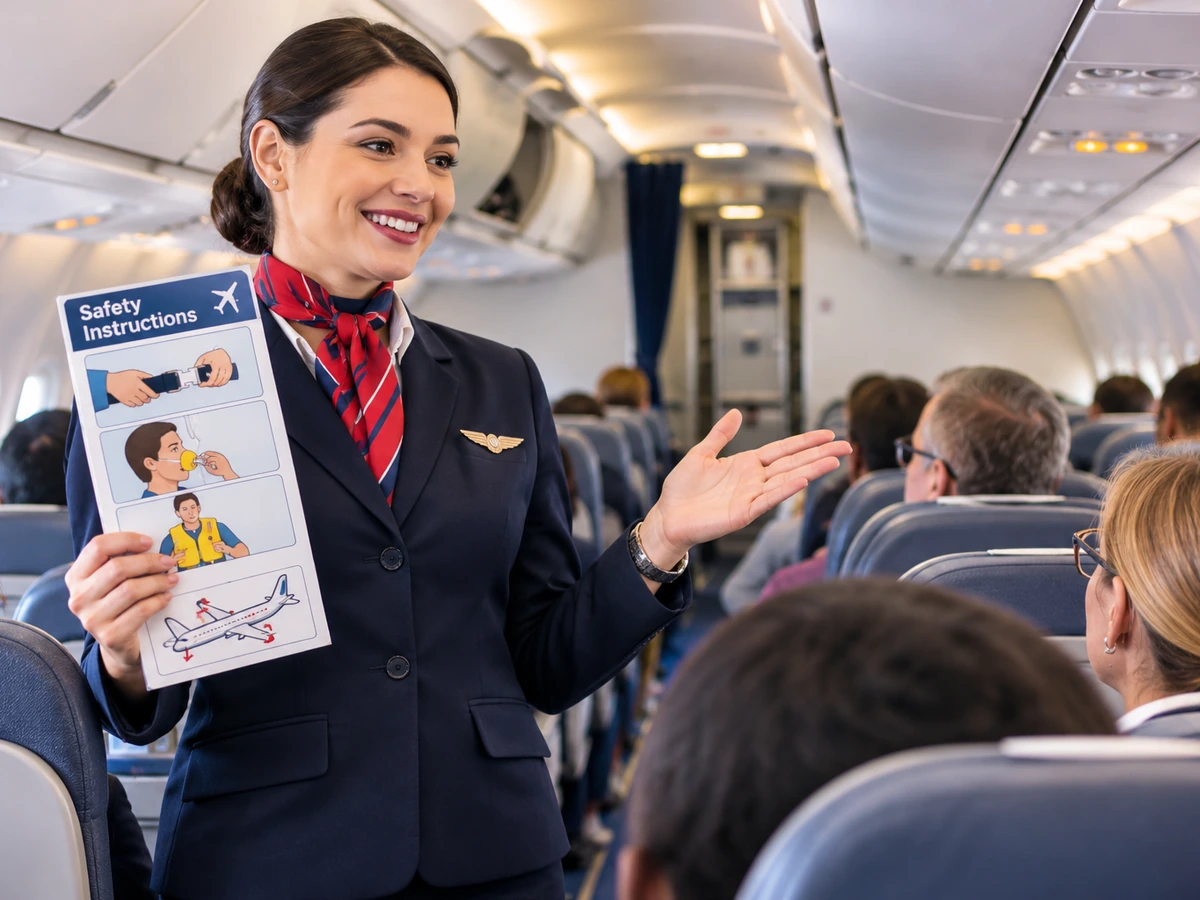
3. Flight Attendants Are Safety Professionals First
Many travelers associate flight attendants primarily with refreshments, meals, and onboard comfort.
Those services matter, but they are not the crew’s most important responsibility.
The FAA makes clear that passenger safety depends on cooperation between travelers, pilots, and flight attendants.
Cabin crew members are trained to respond to emergencies, coordinate evacuations, manage onboard safety concerns, and communicate essential instructions.
During boarding, they may be assessing the cabin, monitoring luggage storage, identifying passengers who need assistance, and preparing the aircraft for departure.
A friendly greeting can therefore serve more than one purpose.
Former flight attendants interviewed by Travel + Leisure have explained that welcoming passengers also helps crew members notice possible medical, behavioral, or safety concerns.
That does not mean passengers should feel scrutinized. It means the crew is paying attention before the airplane leaves the gate.
Understanding this responsibility can help travelers recognize why flight attendants sometimes need to prioritize safety tasks over routine service requests.
4. Pay Attention to the Safety Briefing, Even If You Fly Often
Frequent travelers may feel they have heard every safety announcement before.
However, different aircraft can have different equipment, exit arrangements, and evacuation procedures.
The FAA advises passengers to review the safety card, listen to the briefing, and identify their nearest exits.
It also recommends counting the rows between your seat and the closest exits in front of and behind you.
These details may become important if visibility is limited during an emergency.
Exit-Row Seating Comes With Responsibilities
An emergency-exit-row seat is not simply an opportunity for additional legroom.
Passengers seated there must be willing and physically capable of performing the required emergency actions.
If you cannot or do not wish to accept those responsibilities, inform a crew member and request another seat.
Before takeoff, put your phone in airplane mode or otherwise disable its cellular connection, following the airline’s instructions.
Remove headphones when necessary to hear the safety briefing and other important announcements.
A few minutes of attention can help passengers respond more effectively if something unexpected happens.
5. Ask for Boarding Assistance Before the Aisle Gets Crowded
Travelers sometimes hesitate to request assistance because they do not want to inconvenience the crew.
But waiting until the cabin is crowded can make an already difficult situation more complicated.
If you require mobility assistance, additional boarding time, or help with an accessibility-related concern, notify the airline or gate personnel as early as practical.
Under U.S. Department of Transportation rules, airlines must offer eligible passengers with disabilities an opportunity to preboard when they identify themselves at the gate as needing additional time or assistance.
Airlines must also provide certain required assistance with boarding and moving through the airport.
Travelers are not generally required to disclose a diagnosis to every crew member or explain their medical history to nearby passengers.
The important step is communicating the assistance needed through the appropriate airline personnel.
Families, older passengers, and travelers managing difficult connections may also benefit from discussing practical concerns with gate staff, although eligibility for early boarding varies.
Flight attendants can often help identify the right person to address a problem before departure.
6. Small Acts of Courtesy Make a Bigger Difference Than You Think
Airplane cabins bring strangers into close contact for hours.
That makes everyday consideration especially important.
Avoid placing your feet or bags into the aisle, keep personal belongings within your space, and use headphones when listening to videos or music.
When reclining your seat, consider the person behind you and avoid sudden movements.
If there is a disagreement about seating, luggage, or another passenger’s behavior, ask the crew for assistance instead of escalating the situation yourself.
It also helps to remember that flight attendants usually do not create the airline’s baggage allowances, ticket conditions, or safety regulations.
They are responsible for carrying out applicable policies and instructions.
A calm explanation of the issue is generally more useful than directing frustration toward someone who cannot independently change the rules.
Courtesy does not mean passengers should ignore problems or avoid requesting legitimate accommodations.
It means communicating clearly and treating fellow travelers and crew members with respect.
A Quick Checklist for Your Next Flight
| Before boarding | What to do |
|---|---|
| Personal essentials | Put medication, headphones, and documents within easy reach |
| Carry-on luggage | Confirm airline size limits and prepare for possible gate checking |
| Boarding assistance | Tell gate personnel what help you need |
| Electronics | Prepare to use airplane mode and listen to announcements |
| Safety | Review exit-row requirements if applicable |
| Cabin etiquette | Keep aisles clear and respect shared space |
A Better Flight Starts Before Takeoff
Most boarding problems are not caused by a single major mistake. They come from small disruptions that accumulate as passengers try to settle into a confined space.
Organizing a bag before entering the aircraft, recognizing the crew’s safety responsibilities, and communicating needs early can help reduce those disruptions.
These habits cannot prevent weather delays, mechanical problems, or every uncomfortable interaction.
They can, however, make the portion of the journey passengers control easier for everyone involved.
Travel Disclaimer: This article provides general air travel information, not personalized legal or medical advice. Baggage allowances, boarding procedures, accessibility accommodations, and aircraft rules may vary. Always follow applicable airline instructions and official FAA, TSA, and U.S. Department of Transportation guidance.
Verified External Sources
Federal Aviation Administration — Flying Safe Official passenger safety recommendations
FAA — Carry-On Baggage Tips Carry-on baggage and overhead compartment safety
U.S. Department of Transportation Airline Passengers with Disabilities Bill of Rights
Travel + Leisure — Flight Attendant Interviews Seven habits flight attendants appreciate